
You just had your appendix removed. You are lying in a hospital bed in Islamabad, wondering when you will finally feel like yourself again. Maybe your stomach hurts more than you expected. Maybe nobody told you what the next two weeks would actually look like. That gap between surgery and full recovery is exactly what most people struggle with, and it is exactly what this post covers.
Appendix recovery Islamabad is something thousands of patients go through every year. Yet very few surgeons take the time to explain the day-by-day reality of what healing actually feels like, what is normal, and what should make you call your doctor immediately. Whether you had a laparoscopic procedure or an open appendectomy, the recovery process deserves just as much attention as the surgery itself.
Here is everything you need to know, from the moment you leave the theatre to the day you feel completely back to normal.
What Happens in Your Body Right After Appendix Surgery
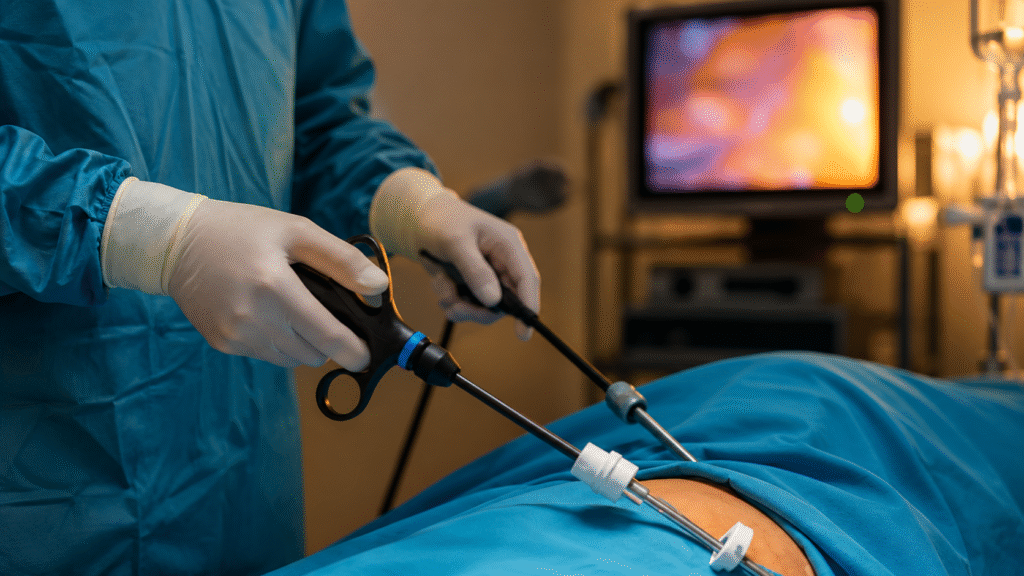
Most people assume surgery ends the problem. In reality, your body’s real work begins the moment the anaesthesia wears off. During an appendix operation in Islamabad, your surgeon either makes three small keyhole incisions or one larger open incision to remove the infected appendix. Both approaches leave your internal tissue inflamed and your abdominal muscles irritated for several days afterward.
Your immune system immediately floods the area with healing signals. This is why you feel sore, bloated, and fatigued even after a successful procedure. The pain you feel is not a sign that something went wrong. It is your body doing exactly what it is supposed to do.
The first 24 to 48 hours are the most intense. You will likely feel nauseated from the anaesthesia, sore around the incision sites, and genuinely exhausted from a level of tiredness that sleep does not completely fix. This is completely normal after any operation in Islamabad involving general anaesthesia.
The Recovery Timeline You Can Actually Expect
Days 1 to 3: Rest Is Your Only Job
This is not the time to push yourself. Your body is directing all of its energy toward reducing internal swelling and beginning the healing of tissue. Walking slowly around the room is encouraged because it prevents blood clots and helps your digestive system wake back up after being slowed down by anaesthesia. But slow and gentle is the rule.
Pain at this stage is typically managed with the medication your surgeon prescribed. Take it on schedule rather than waiting until pain becomes severe. Staying ahead of the pain makes recovery more comfortable and actually speeds up healing by allowing your body to rest properly.
Days 4 to 7: Slow Progress Feels Like No Progress
By day four, many patients in health service Islamabad facilities report feeling frustrated. The initial relief of surviving surgery has worn off, but full recovery still feels far away. This is the stage where people make the most common mistakes, which we will cover shortly.
You should be walking a little more each day. Short circuits around the house, not stairmaster sessions. Your appetite will start returning, which is a genuinely good sign. Stick to light, easily digestible foods. Khichri, dahi, and light dal are your friends right now. Avoid anything heavy, fried, or spicy.
Week 2: Getting Closer
For laparoscopic patients, week two usually brings significant improvement. Most people are moving around the house without assistance, sleeping more comfortably, and feeling something close to their normal energy levels. The incision sites may itch, which is actually a sign of healing happening beneath the skin.
Appendix recovery in Islamabad for open surgery patients takes longer at this stage. The incision is larger, deeper, and the surrounding muscle tissue needs more time. Open surgery patients should expect three to four weeks before feeling truly functional again.
What Happens If You Push Too Hard Too Soon
In my experience, the patients who struggle most with appendix recovery in Islamabad are not the ones with complications. They are the ones who felt better on day five, went back to normal activity on day six, and then ended up back at the clinic on day eight with a wound infection or a hernia forming at the incision site.
Your abdominal muscles are doing nothing for you right now. They were cut through, stretched, and manipulated during surgery. Lifting anything heavier than a water bottle puts direct strain on a healing wound that is not ready for it. This is not overprotectiveness. This is basic tissue biology.
The most common mistake people make is returning to activity based on how they feel rather than how much time has passed. These two things are not the same. Inflammation reduces pain signals before tissue is fully healed. You will feel ready before you actually are.
Warning Signs That Require Immediate Attention
This section matters more than any other. Most appendix operation in Islamabad recoveries go smoothly. But complications do happen, and catching them early makes all the difference.
Call your surgeon or go to a health service Islamabad facility immediately if you notice any of the following. A fever above 38.5 degrees that does not come down. Redness, swelling, or discharge from your incision site that is increasing rather than improving. Pain that was getting better and suddenly gets significantly worse. Inability to pass gas or have a bowel movement beyond day four or five.
Foods and Habits That Speed Up Appendix Recovery
What you eat during recovery directly affects how fast your gut returns to normal function. Your digestive system slows dramatically after abdominal surgery, and pushing it too hard too early causes painful gas, bloating, and discomfort that is entirely avoidable.
Start with clear liquids. Move to light solids. Add complexity gradually. Your gut will tell you when it is ready for more. Listen to it.
Staying hydrated is more important than most people realize. Dehydration slows wound healing, increases constipation risk, and makes fatigue significantly worse. Aim for eight to ten glasses of water daily, more in Islamabad’s summer months.
Walking, even short distances, is the single best thing you can do for recovery beyond rest. It reduces gas pain, stimulates the digestive system, prevents blood clots, and improves your mood during what is honestly a frustrating period. The operation in Islamabad may be over, but your recovery is an active process.
What to Expect at Your Follow-Up Appointment
Most surgeons offering appendix recovery Islamabad will schedule a follow-up between seven and ten days after discharge. This appointment is not optional. Your surgeon will check the incision, review your blood results if needed, and clear you for gradually increasing activity.
This is also your chance to ask every question you have been holding onto. Ask about when you can drive. Ask about returning to work. Ask about exercise. Ask about diet. A good surgeon will not rush this conversation.
Recovering Well Is a Choice You Make Every Day
Appendix recovery in Islamabad is not just about surviving the surgery. It is about giving your body the conditions it needs to genuinely heal. That means real rest, real patience, and real honesty about where you are in the process.
The patients who recover fastest are not the toughest. They are the most consistent. They rest when they are supposed to rest. They walk when they are supposed to walk. They call their doctor when something feels wrong instead of hoping it goes away.
If you are currently recovering from an appendix operation in Islamabad, give yourself credit for getting through something genuinely difficult. And if you are preparing for surgery, know that the recovery is very manageable when you approach it the right way.
Have questions about your recovery? Leave a comment below or get in touch with our surgical team for personalized advice.
Book consultation With Dr Ahmad Raza
Frequently Asked Questions
How long does appendix recovery take in Islamabad? Laparoscopic appendectomy recovery typically takes 1 to 2 weeks for light activity and 3 to 4 weeks for full recovery. Open appendectomy requires 4 to 6 weeks. Your specific timeline depends on your age, overall health, and whether complications occurred.
When can I eat normally after appendix surgery? Most patients can return to a normal diet within 5 to 7 days after surgery. Start with clear liquids and soft foods in the first few days, then gradually reintroduce regular meals as your digestive system adjusts.
Is it normal to feel tired weeks after appendix surgery? Yes, fatigue is completely normal for two to four weeks after an appendectomy. General anaesthesia alone can cause lingering tiredness for up to two weeks. Your body is also directing significant energy toward internal healing.
What is the best health service in Islamabad for appendix recovery follow-up? Look for a surgical clinic with board-certified general surgeons who offer structured post-operative follow-up, clear communication, and 24-hour emergency access for complications. Your operating surgeon is always your first point of contact.