Okay so. You’ve just been told you need surgery. Thyroid, breast, maybe both at once, and now you’ve got a list of names in front of you and genuinely no idea where to start. Sound familiar? Almost everyone goes through this exact moment of blank panic before they even open Google. Finding the best surgeon in Islamabad isn’t like choosing where to eat dinner. This is your body. Your voice, potentially. Your recovery. Years of your life, honestly, depending on how it goes.
Most people rush it. I’ve seen this a hundred times. Someone’s scared, wants the decision over with, so they go with whoever a cousin mentioned once at a wedding three years ago. Or they pick the clinic with the nicest waiting room chairs. None of that tells you a single thing about whether this person can actually operate on a thyroid without touching a nerve they shouldn’t.
Why “Just Surgery” Doesn’t Really Apply Here
Here’s what people don’t get until it’s explained to them plainly. Your thyroid sits about a centimeter from nerves controlling your vocal cords. And your parathyroid glands. Nick the wrong thing in there even slightly and you’re looking at a permanently changed voice, or lifelong calcium issues. That’s not scare-tactic talk, that’s just the anatomy. It’s exactly why experience matters so much more here than it would for, say, an appendix removal.
Breast surgery brings its own weight too. Not just physical, but emotional. Body image stuff, fear around cancer sometimes, occasionally grief. A surgeon who only thinks about the technical side and skips over that human part? Not the right fit, in my opinion.
If you’ve noticed thyroidectomy signs and symptoms creeping in lately a lump you feel when swallowing, hoarseness that won’t go away, sudden anxiety or a racing heart with no clear cause please don’t just wait it out. Some people find these things almost by accident. A routine ultrasound for something totally unrelated turns up a nodule nobody knew was there. Others catch the swelling themselves, staring in a mirror one random Tuesday.
What Actually Happens on the Table
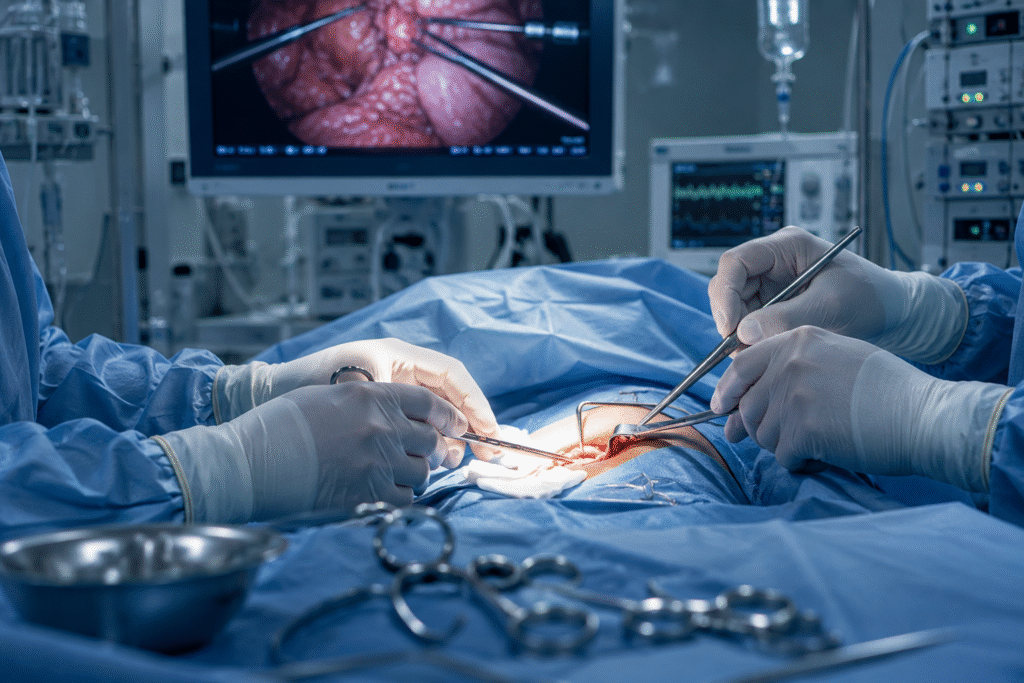
Let’s pull back the curtain on the thyroid surgery procedure, because half the anxiety around this comes from not knowing what’s coming. You’re under general anesthesia the whole time you feel nothing, remember nothing. The surgeon makes a small horizontal cut low on the neck, usually placed right in a natural skin crease so it fades and blends over the following months.Depending on your specific situation, they take out part of the gland, sometimes all of it. Most of these surgeries run one to three hours. Complicated ones can go longer, sure.
Recovery, weirdly, tends to surprise people. In a good way, for once. Most patients are home within a day, maybe two. Your voice might feel rough or tired-sounding for about a week afterward, completely normal, don’t panic. If it’s still off a month later, that’s when you actually call the surgeon back. Not an emergency. Just worth a follow-up.
One thing I tell literally everyone: ask the surgeon directly how many of these they do per year. It’s not rude. It’s fair. Two thyroid surgeries a year versus two hundred that’s not the same level of risk, even if both surgeons hold identical paperwork.
Breast Surgery Costs, Choices, and the Stuff Nobody Says Out Loud
Breast procedures around Islamabad span a lot of ground. Diagnostic lumpectomies. Reconstructive work. Cosmetic augmentation. The price shifts a lot depending on what exactly you’re getting done. A breast lumpectomy cost in Islamabad tends to land somewhere in the middle compared to other big Pakistani cities, though the real number depends on the hospital, anesthesia type, whether pathology testing gets folded into the quote or billed separately later on. Always, always ask for an itemized estimate up front. A vague number is a red flag. Not a small one either.
Zoom out a bit and breast surgery cost in Pakistan swings wildly; public hospitals versus private cosmetic clinics aren’t playing in the same price universe. A lumpectomy at a public facility might run a fraction of what a private, polished clinic charges for basically the identical procedure. The difference there is usually décor and wait times, not medical skill. Worth remembering when you’re comparing quotes side by side.
And for anyone weighing augmentation or reconstruction breast implants in Pakistan has actually gotten a lot more accessible in the last few years. Silicone, saline, both far easier to get locally now, no complicated import runaround like before. But my honest take? Implant brand matters way less than whose hands are doing the placing. A modest implant, placed by someone genuinely skilled, will beat an expensive one placed carelessly. Every time. No contest.
Mistakes People Keep Making, Over and Over
Picking based on price alone. Bad idea, every time this isn’t the place to bargain-hunt.
Walking in without written questions. Nerves make people blank, completely forget what they meant to ask. Write it down beforehand.
Never asking about complication rates directly. A good surgeon answers this honestly. A dodgy one deflects, changes the subject.
Ignoring hospital accreditation entirely, like it’s an afterthought. It’s not the facility backing up the surgeon matters if something unexpected happens mid-procedure.
Trusting one single review site. Check across a few platforms. One glowing page can absolutely be curated, sometimes even paid for.
So What Should You Actually Be Looking For?
Board certification non-negotiable, verify it yourself, don’t just nod along and take their word. Beyond that, look at years of specific experience with thyroid or breast work. General surgical experience alone doesn’t automatically transfer over, not really. Hospital affiliation counts too. And here’s the underrated one: how do they actually talk to you? Rushed, glancing at the clock, one eye on the next patient? Or do they sit, actually listen, respond like an actual person instead of reciting a script? You’re trusting this individual with your body, so that relationship has to feel solid before anyone picks up a scalpel.
Recovery Doesn’t Move in a Straight Line
Whatever procedure you end up going through, recovery zig-zags. Some days you’ll feel almost fine. Other days, soreness shows up for no clear reason at all. Normal. Not a red flag. Stick to whatever post-op instructions you’re given lifting limits after breast surgery, voice rest after thyroid work, that sort of thing. Rushing back into regular life too fast is, hands down, the single biggest reason people end up back in the clinic sooner than planned.
This decision is stressful enough on its own without piling decision paralysis on top. Take the time you need. Ask uncomfortable questions if that’s what it takes. Trust your gut too if something feels wrong mid-consultation, you’re allowed to just walk out and try someone else. And if you’ve been putting off booking that first consultation? Consider this your nudge.
FAQs
Q1: How do I know if I actually need surgery, or just ongoing monitoring?
Comes down to nodule size, how fast it’s growing, what the biopsy shows. Surgery generally gets recommended when there’s suspicion of cancer, rapid growth, or symptoms like trouble breathing or swallowing.
Q2: Is a lumpectomy basically the same as a mastectomy?
No pretty different, actually. A lumpectomy takes out just the lump plus surrounding tissue, keeps most of the breast. A mastectomy removes the whole thing. Your surgeon guides that choice based on tumor size, location, stage.
Q3: How long until recovery from thyroid surgery is done?
Most people are back to light activity within a week. Full recovery voice settling completely back to normal can take closer to a month.
Q4: Do breast implants last forever?
Nope, not lifetime devices. Most manufacturers recommend monitoring them, potentially replacing them every ten to fifteen years.
Q5: What should I bring to my first surgical consultation?
Medical history, any prior scans or biopsy results, current medication list, and a written list of questions nerves have a way of wiping your memory the second you sit down.