
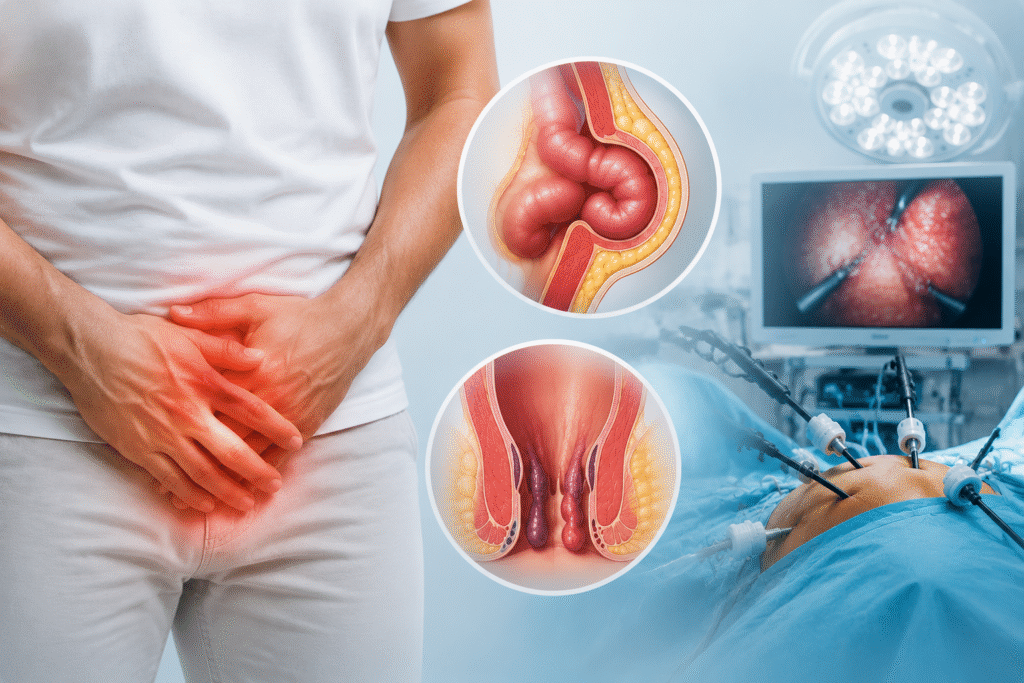
My uncle called me on a Thursday night. Sounded more annoyed than worried, honestly. Said there was a lump near his groin, “been there a while now.” I asked how long. Six months, maybe seven, he wasn’t even sure himself. He’d been googling around, landed on the same question everyone eventually lands on who’s actually the best laparoscopic surgeon in Islamabad, and does it even matter that much who you go with.
It does matter. Not always in a dramatic way. But in how much pain you’re in afterward. How fast you’re back to normal. Whether the thing comes back in two years because it wasn’t repaired properly the first time around.
The Lump Nobody Brings Up Until It’s Been There Months
Hernias are strange like that the symptom’s right there, visible even, and people still just… wait. My uncle’s reasoning was it didn’t really hurt, just felt off sometimes. So he figured it wasn’t worth the trip to a hospital.
Here’s the actual problem though. A hernia is a gap in the muscle wall. Physical gap. Tissue pushing through where it shouldn’t be groin, belly button, sometimes higher up along the abdomen. No cream fixes that. No exercise closes it back up either. Surgery’s the only real answer, and it’s a much simpler surgery when it’s done early rather than after the thing’s grown or started actually hurting.
A hernia specialist in Islamabad will usually explain two risks tied to waiting. One, it tends to get bigger over time, and bigger means a more complicated repair later. Two and this is the one that actually lands people in the ER the trapped tissue can lose its blood supply. At that point it’s not a scheduled surgery anymore. It’s urgent. Longer recovery too, usually.
My uncle went in eventually. Moderate inguinal hernia. Nothing catastrophic, but the surgeon told him straight up that another year of putting it off would’ve made things a lot harder to fix cleanly.
Piles Get Talked About Even Less
If hernias are something people delay mentioning, piles are on a whole different level. There’s a real embarrassment factor here, and I’ve noticed it doesn’t really discriminate by age or background. Nobody wants to bring it up. So it gets managed quietly, creams from the pharmacy, for months. Sometimes years. Long after that’s stopped doing anything.
Piles treatment in Islamabad has actually come a long way though, and this is one spot where I’d push back on the outdated fear people carry around. Old-school hemorrhoidectomy earned its bad reputation fair and square, painful, rough recovery. That’s mostly not the reality anymore.
Laser hemorrhoid surgery is what a lot of surgeons here reach for first now. Shorter recovery, less bleeding during the procedure itself, compared to the older cutting method. The laser shrinks the tissue rather than removing it outright, body handles the rest over the following weeks.
Patients who go through laser hemorrhoid surgery are often back to normal within about half a week. Compare that to two, sometimes three weeks off for the traditional route. That gap alone is probably why so many people are asking for laser by name now instead of just taking whatever’s offered.
What Actually Makes a Surgeon Good, Not Just Qualified
I’ll say it plainly credentials alone don’t tell you much. Plenty of surgeons have strong degrees and still aren’t the right fit for a given patient. What matters more, in my experience anyway, is how often they’re actually doing this specific procedure. Whether they’re upfront about risk instead of glossing past it. Whether the consultation feels rushed or genuinely thorough.
Someone eager to book you in immediately, without really explaining what’s happening or why, that’s worth being cautious of. The best laparoscopic surgeon in Islamabad for your case is usually whoever slows the conversation down enough that you actually understand your own condition before agreeing to anything.
Ask directly. How many of these have you done recently. What anesthesia’s planned. What’s my recovery actually going to look like given my age, my other health stuff. A good hernia specialist in Islamabad won’t dodge any of that even the part where the honest answer is you don’t need surgery urgently and can wait a bit if you want.
Inside the Operating Room, Roughly Speaking
Technically it’s fairly consistent across both. Small camera through a tiny incision, surgical team watching a magnified feed on screen, actual repair happening through one or two more small cuts. That’s what keeps recovery shorter than old-style open surgery, where one bigger incision meant more tissue trauma and a longer healing stretch.
For hernias, most surgeons place a mesh over the repaired spot. Reinforces the wall, cuts down the chance it comes back later. For piles, laparoscopic or laser methods stay focused just on the affected tissue part of why the area around it heals faster with less discomfort.
What clinics tend to skip over is the days right after. Some swelling. Mild soreness, manageable with regular medication. For piles surgery specifically softer diet, more fiber, for a week or two. Barely anyone mentions that upfront. Patient gets home, wonders why nobody said anything. If your surgeon doesn’t bring it up on their own, ask before you leave the room.
The Mistakes That Keep Coming Up
Picking based on price alone, without checking actual experience with this exact procedure. My uncle nearly did this too, actually a friend talked him out of the cheapest quote he’d gotten.
Waiting until it’s unbearable, which is how a planned surgery turns into an emergency, often at whatever hospital has a bed free rather than one you’d have chosen. And dropping aftercare the second the pain eases, sometimes days after surgery, well before the actual healing underneath is done.
There’s also this idea floating around that because it’s minimally invasive, recovery barely counts. It counts plenty. Skipping the surgeon’s aftercare instructions is one of the more common reasons people end up back in clinic weeks later with something that could’ve been avoided entirely.
Going Into the Consultation Prepared
Bring a rough timeline. When it started, whether it’s gotten worse, anything odd you’ve noticed lately. Mention past surgeries, ongoing conditions, diabetes, heart stuff, whatever medications you’re on right now. Helps the best laparoscopic surgeon in Islamabad get a real picture fast instead of piecing it together during a short appointment.
Write your questions down too, beforehand. Consultations go faster than people expect. Easy to walk out and realize on the drive home you forgot the one thing you actually came in to ask.
Where This Leaves You
Both hernias and piles are treatable. Usually more easily than people assume, once they finally get around to dealing with it. The real obstacle isn’t the surgery itself. It’s the months, sometimes years, spent putting it off first.
If you’ve been sitting on this the way my uncle did, take it as a nudge. A straight conversation with a qualified hernia specialist in Islamabad will tell you exactly where things stand, no pressure to act right away if it genuinely isn’t urgent yet. And if you know someone quietly dealing with either of these, might be worth just sending this their way instead of waiting for them to bring it up.
Book your consultation with Dr Ahmad Raza
FAQs
Is laparoscopic hernia surgery painful?
Some soreness for a few days, generally much less than open surgery. Regular pain relief usually covers it.
How soon can someone return to work after laser piles surgery?
Most manage light activity within three to five days, though it depends on the case and what the surgeon actually recommends.
Does a hernia ever close up without surgery?
No. The muscle gap doesn’t repair itself no matter what you try. Surgery’s the only real fix.
Is laser treatment better than traditional piles surgery?
Generally yes for bleeding, pain, and recovery time. Though how severe the case is still shapes which approach makes sense.
When does a hernia become an emergency instead of something to schedule normally?
Sudden severe pain, a lump that turns hard or discolored, vomiting alongside it any of that means going in right away, not waiting for a routine slot.